Description
《Terroir Collection》
Chateau Grand Corbin Despagne 2010 Saint Emilion Grand Cru Classe 《Terroir Collection- TF1005》
Region : Saint Emilion Grand Cru Classe
Grapes : 75% Merlot、24% Cabernet-Franc、1% Cabernet-Sauvignon
Alcohol : 14.5 % vol
Website: https://www.grand-corbin-despagne.com/en/vintages/#millesime2005

Owner:Despagne Family
⭐️7 generations over 2000 years under the same Despagne Family
⭐️One of 64 of Saint Emilion Grand Cru Classe
⭐️One of the very rare Grand Cru Classe in Bordeaux 100% organic with Pontet Canet & Guiraud :AFAQ-AFNOR certification
⭐️2010 vintage:An outstandingly great vintage!
🥇 James Suckling 93 pts
🥇 Wine Advocate 89 pts
History
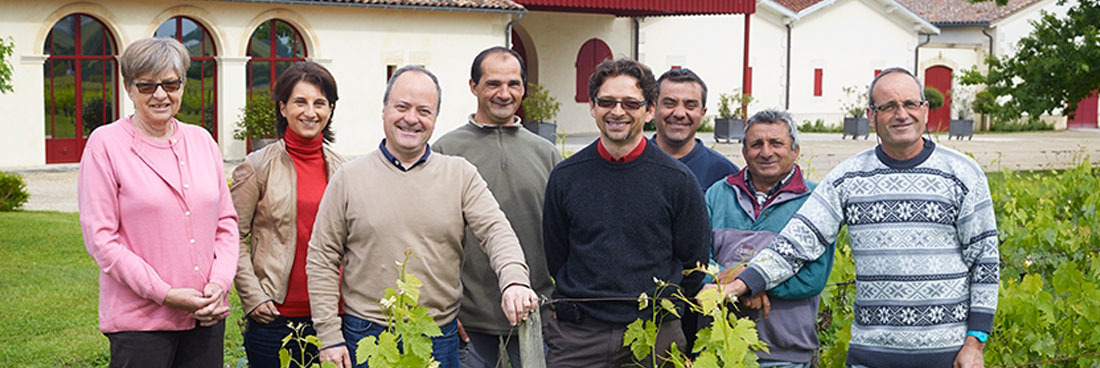
Owner of Grand Corbin-Despagne in Saint-Emilion for over 2 centuries, the Despagne family has shared the same love of a vineyard and respect for traditions for seven generations.
The name of Despagne is attached to the soil of Saint-Emilion; there are documents showing the presence of the Despaignes in the 13th and 14th centuries.
The oldest known document of the family is the baptism in 1665, of the son of Pierre Despagne, laborer with oxen and of Lison Raynaud. Their descendant, Louis Despagne, born in 1789, will be the architect of the family boom.
In 1812, not far from Cheval Blanc, where his family was a sharecropper, he moved to a place called Grand Corbin and acquired the first family plots.
His son enlarged the Grand-Corbin vineyard - owner Despagne. It was towards the end of the 19th century that Château Grand Corbin-Despagne appeared.
In the 20th century, Paul Despagne, an extraordinary winemaker, gave his reputation to the property thanks to the quality and regularity of the wines he produced.
The different generations have brought their know-how and from the first classification of Crus of Saint-Emilion, the property was recognized worthy of being Grand Cru Classe.
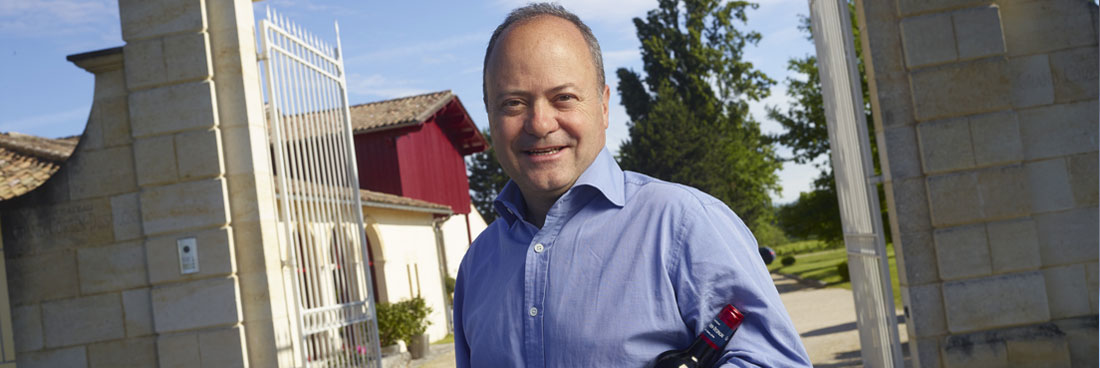
Today the seventh generation of the same family represented by François Despagne runs this vintage and respectfully perpetuates these values received as inheritance.
PHILOSOPHY
Francois Despagne owns the estate today and conducts all aspects of this subtle wine growing symphony. His devotion to this land, passed down to him from his ancestors, embraces a deep respect for the vineyard’s natural environment. Describing himself as a modern traditionalist, this ambassador of terroir nevertheless keeps a constant eye on modern solutions to enhance and perfect his wines.
“My family is one of the oldest in Saint-Emilion. We have found documents showing that our family roots go back to the 17th century. Depending on the generation, we have done all sorts of winegrowing jobs. We were often vineyard workers, day-labourers and ploughmen.
It was my ancestor, Louis Despagne (whose family were smallholders at Cheval Blanc), who purchased the first family parcels in 1812 at a place named Grand Corbin, just a few acres away from that prestigious Saint-Emilion First Growth. His son extended the vineyard taking it from just a handful of hectares to around twenty, a surface area which has remained largely unchanged ever since. The wine in those days was called “Cru Grand Corbin – owner Despagne”. Towards the end of the 19th century, the name became Château Grand Corbin-Despagne. My grandfather, Paul, brought recognition and renown to the growth when he received several awards for the estate, one of which was the title Great Classified Growth at the time of the first classification of Saint Emilion growths in 1954.
After completing my studies in molecular biology (with a specialisation in microbiology, oenology and ampelology) and doing work experience in advising and managing wine properties, I was asked by my family in 1996 to take over this estate. I am today the seventh generation of the same family on the land of Grand Corbin.
From the moment I arrived here, I developed a passion for the estate’s vines and different terroirs and very quickly set up an in-depth survey of all those different terroirs that make up Grand Corbin-Despagne.
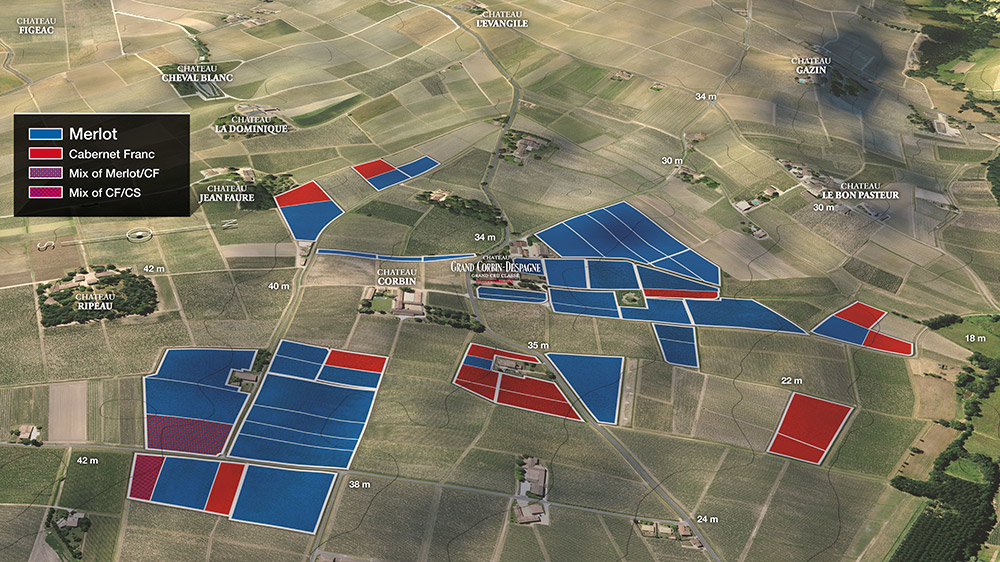
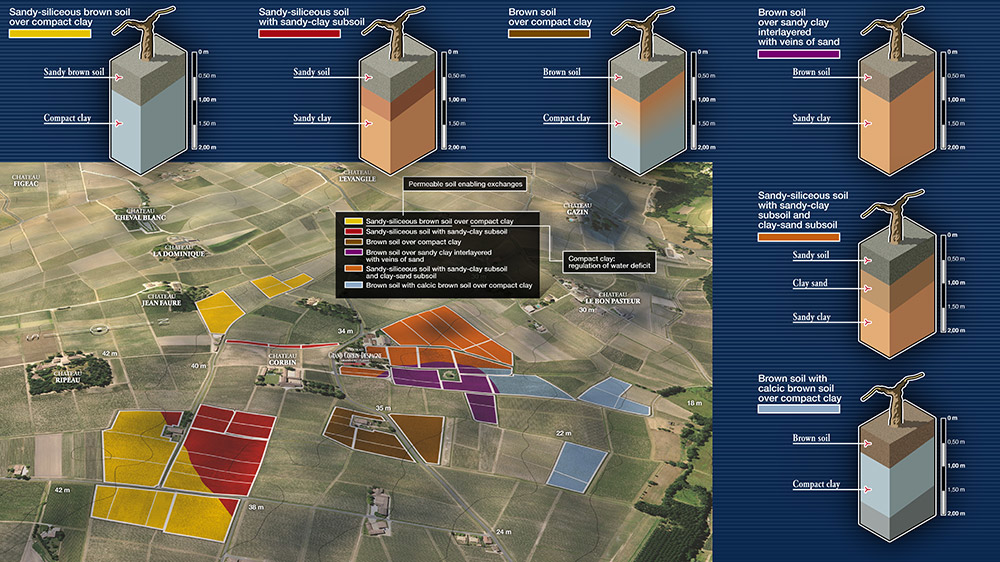
This vineyard is located in the north of the Saint-Emilion appellation, adjacent to Pomerol; and there are two main soil-types: clay-sand with iron deposits and thin superficial layers of ancient sands over clay.
A study of 150 soil pits drilled into the soils, together with a measuring of the soils’ water supply constraints, enabled us to establish the viticultural identity of 53 parcels, whose variables were the grape variety, rootstock, vine age and terroir. With this data we were able to put into place a system of plot by plot management of the vineyard.
From 1996 the vines were grown according to integrated and sustainable farming principles (with AFAQAFNOR certification since 2005) as part of a sustainable economy approach (Terra Vitis charter). No herbicides have ever been used. In 2004 we conducted trials on a part of the vineyard following the principles of organic farming, before converting fully to organic farming in 2010. In 2013 we acquired “Organic Wine” certification. Since 2018 we have trialled a number of plots using biodynamic practices.
From the pruning to the harvesting, all necessary vineyard tasks (de-budding, removal of double buds, de-leafing, crop thinning and de-suckering) are carried out with the sole aim of achieving grapes of the highest quality.
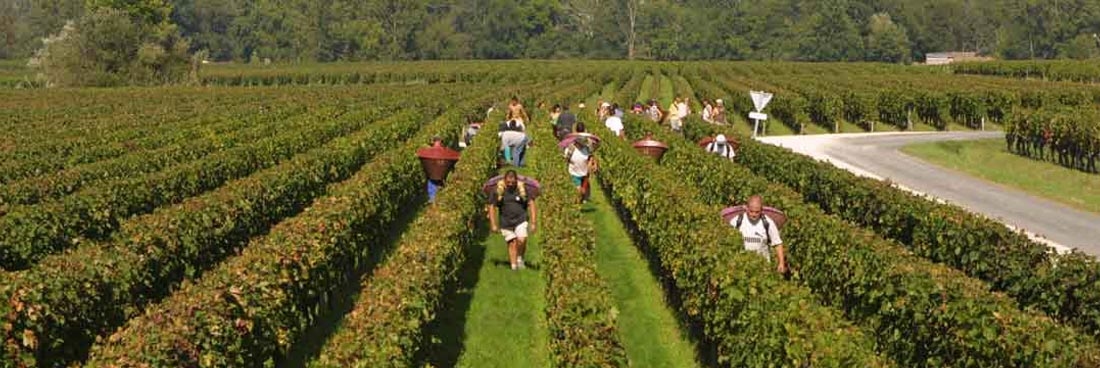
Before the harvest, grape ripeness is tested by tasting the berries on the vines, followed by a chemical lab analysis of the fruit to ascertain the optimum date for picking. After being handharvested in small crates, the bunches are sorted firstly in the vineyard, followed by a second sorting at harvest reception before being de-stemmed. The berries are then given a further number of consecutive sortings as they pass along a vibrating table, then through an air-knife sorting process and finally along a manual sorting table. Depending on the batches harvested (each one coming from separate parcels of the vineyard), the berries are distributed in the vat cellar to 27 different temperature-controlled vats. Each batch is vinified according to its potential and carefully monitored through regular observation, analysis and tasting.
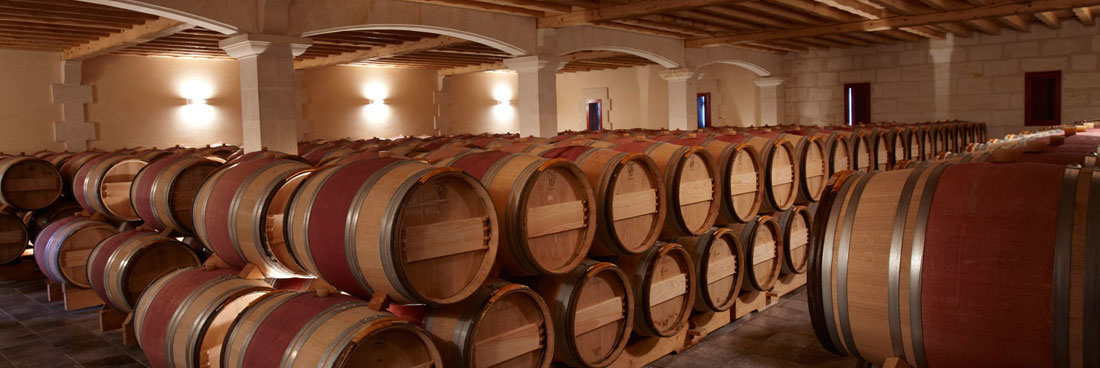
After the skins have macerated and the wine has been run off the skins, the batches are preblended and sent to the barrel cellar, comprising 312 oak barrels, for around 12 to 18 months, depending on the batches and the vintage. The final blending is then carried out. The wine is finally bottled some 21 months after the harvest.
The common thread in my work as a winemaker is anticipation, respect and stability, to enable me to produce the best possible wine in each vintage. Through careful monitoring and decisionmaking during the whole of the growing season, I aim to make a precise wine that reflects the wine’s terroir and the identity of our Grand Corbin area and is worthy of its origin, which has given it its renown for nearly 200 years.
Technical cellar tours and tastings at the estate are possible with a previously arranged appointment. We are partners with the Bordeaux and Saint-Emilion tourist offices, particularly for Bordeaux Grands Crus – UNESCO visits, and we are certified members of Vignoble et Chai in the Bordeaux region. Our efforts were rewarded with a gold medal by the Best of Wine Tourism award by the Bordeaux Chamber of Commerce in its category “Promoting environmentally-friendly practices through wine tourism”. Grand-Corbin Despagne is a member of the First Association for the SME (Environment Management System) of the wines of Bordeaux, which was awarded ISO 14001 certification in July 2013 and we have HVE3 (High Environmental Value Level 3) certification.
This environmental approach is also pursued at my other vineyards: Château Le Chemin in Pomerol and also at Château Ampelia in Castillon – Côtes de Bordeaux.
Living with my family on this land at Grand Corbin, where my ancestors created this growth, is a real source of pride for me. It’s a privilege and a responsibility, and provides a link from one generation to the next.
Our doors at Grand Corbin-Despagne are open for you, and we’ll be pleased to show you round the vineyard and cellars and offer you a tasting of our wines.
TERROIR
Located in the north of the Saint-Emilion appellation, adjacent to Pomerol, the vineyard of Chateau Grand Corbin-Despagne is situated on two great soil types: sandy-clay with iron deposits and ancient sands over clay.
A study of 150 soil pits drilled into the soils, together with a measuring of the soils’ water supply constraints, enabled us to establish the viticultural identity of 53 parcels, whose variables were the grape variety, rootstock, vine age and terroir.
From 1996 the vines were grown according to integrated and sustainable farming principles (with AFAQAFNOR certification since 2005) as part of a sustainable economy approach (Terra Vitis charter). No herbicides have ever been used.
In 2004 we conducted trials on a part of the vineyard following the principles of organic farming, before converting fully to organic farming in 2010.
In 2013 we acquired “Organic Wine” certification. Since 2018 we have trialled a number of plots using biodynamic practices.
From the pruning to the harvesting, all vineyard tasks necessary for quality production (debudding, removal of double buds, de-leafing, crop thinning and de-suckering) are carried out in order to achieve grapes of the highest quality.
In order to maintain diversity in our vegetal material in our vineyard, we have carried out massal selection on the old Merlot and Cabernet Franc vines planted at the beginning of the 20th century which we have used for new plantations and inter-planting.
VINIFICATION
Every single vineyard task necessary for the harvesting of perfectly ripe grapes is carried out. Picking by hand ensures berries remain perfectly intact. These are then sorted many times. Each batch is sourced from distinct parcels and is vinified according to its potential, undergoing careful controls through our own observation, lab analyses and tastings.
A Grand Vin requires great terroir with high quality grapes. Before harvesting, berries are sampled and tasted for their ripeness. This exercise, when backed up by chemical analysis, enables theharvesting of perfectly ripe grapes.
After being picked by hand, the bunches are sorted in the vineyard and then at harvest reception before being de-stemmed. The berries then undergo another sorting, this time on sorting tables.
Batch by batch, according to the different plots from which they were sourced, they are transferred to the vat cellar into 27 temperature-controlled fermentation vats.
Each lot is vinified in terms of its potential, undergoing careful controls through close observation, lab analyses and tastings.
We carry out numerous pump-overs as well as sometimes punching down the cap of skins (pigeage) and rack and return (delestage), depending on the batch.
After maceration and running the wine off the skins, the lots are pre-blended and aged in our barrel cellar, which contains 312 barrels, for about 12 to 18 months, depending on the lots and the vintage. The final blend is then made. The bottling takes place 21 months after the harvest.
James Suckling 93 pts
Sweet berry, vanilla and incense on the nose. It's full-bodied, with chewy tannins yet polished and poised. Clean and focused. Very pretty. Best ever from here.
Wine Advocate 89 pts
A sleeper of the vintage, this wine is usually muscular, tannic and backward, although very concentrated, but the 2010 is surprisingly more showy, precocious, charming and easier to drink out of the gate than normal. Still a deep bluish/purple color, with loads of incense and blue and black fruits, it is medium to full-bodied and ideal for drinking over the next decade or more.
$430/bottle
You could enjoy free delivery upon purchasing 3 bottles from "Terroir Collection"
Or you can mix your favorite wines (with other non Terroir Collection), 🚚Free delivery upon purchase total 6 bottles or above