Description
《Terroir Collection》
Chateau Lagrange 2019 Saint Julien 3eme Growth Grand Cru Classe《ZTF612E》
Region : Saint Julien
Grapes : 78% Cabernet Sauvignon,18% Merlot,4% Petit Verdot
Alcohol : 13.5% vol
Website : https://chateau-lagrange.com/en/vieux-millesimes-lagrange/
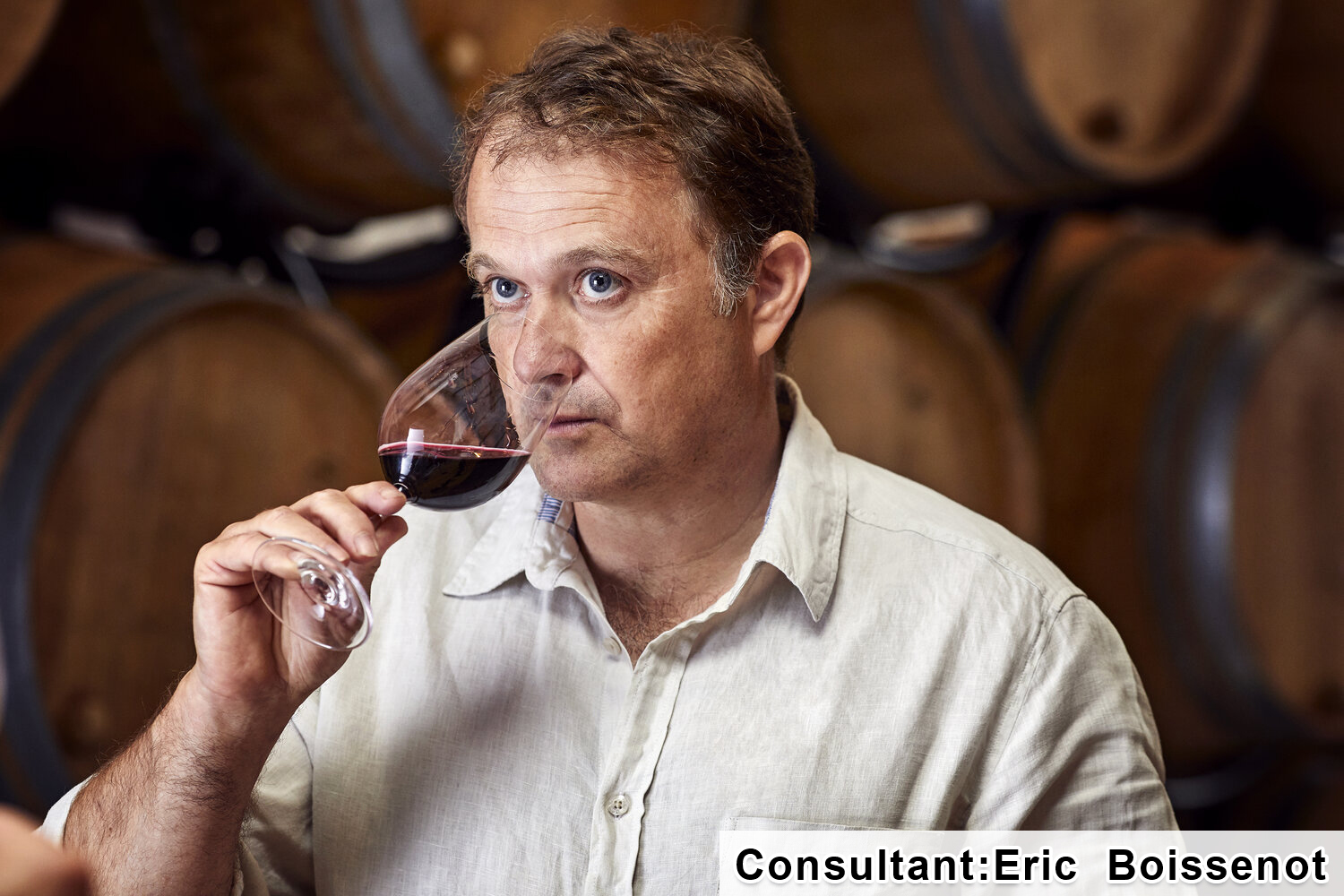
Consultant: Eric Boissenot
🌟Third Growth Grand Cru Classe
🏅 Wine Advocate 95 pts
🏅 Vinous 95 pts
🏅 JamesSuckling 94 pts
🏅 Vivino 4.2

History
Middle Ages
A unique place ever destined for wine growing
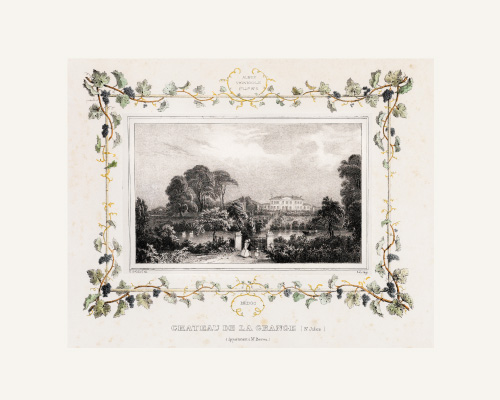
A place of great agricultural activity even back in Gallo-Roman times : from the Gallo-Roman VILLA RUSTICA to the « GRANGIA » in the Middle Ages which was to give the estate its name.
Lagrange discovers an early winegrowing vocation thanks to the Templars who join together two domains :
– The « maison noble de Lagrange de Monteil » to the West joins the « Tenure of Pellecalhus » (meaning « peeled stone ») to the East. In the present-day vineyard, the names of two vine plots bear witness to this era, « l’Hopital » and « La Chapelle »;
– Lagrange becomes the largest wine producing estate in the Medoc. But the history of the different owners cannot be reconstructed until after 1631.
Golden Age
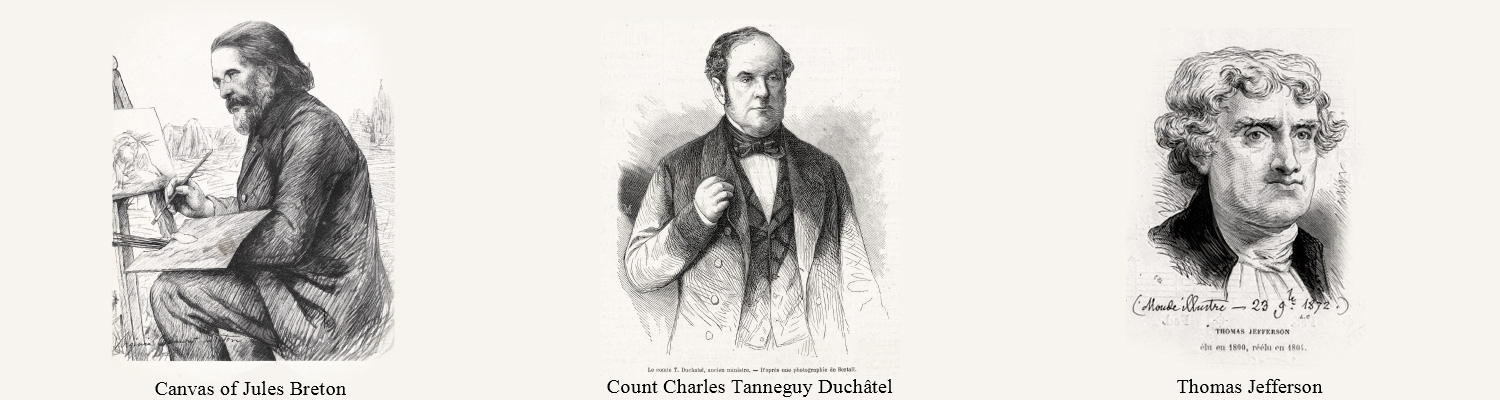
The 18th century brings renown to Lagrange Baron de Brane, a Bordeaux parliament member, and owner of Mouton, acquires the property and its renown thus becomes more widespread. In 1790, Jean-Valere Cabarrus, an influential merchant known to be very active in the shipping business, invests in the property and establishes his own sales network. In 1820, he commissions Visconti to build the Tuscan-style tower that is to become the emblem of Chateau Lagrange. From Jefferson to Duchatel, the story of a classification. During a trip to Bordeaux In 1785, Thomas Jefferson, then President of the United States, judges Lagrange second among the Third Classified Growths. In 1855, Lagrange ranks among Third Classified Growths. This is thanks to the work of Count Duchatel, owner from 1842 to 1874. In 1842, Count Charles Tenneguy Duchatel and the Countess bring change to Lagrange :
– Innovation with a pottery drainage pipe factory.
– Chateau Lagrange now stretches over 300 hectares of which 120 are under vine.
– The Count is a politician, Home Secretary to King Louis-Philippe.
– Passion for the arts, Member of the Academie des Beaux Arts.
Lagrange today
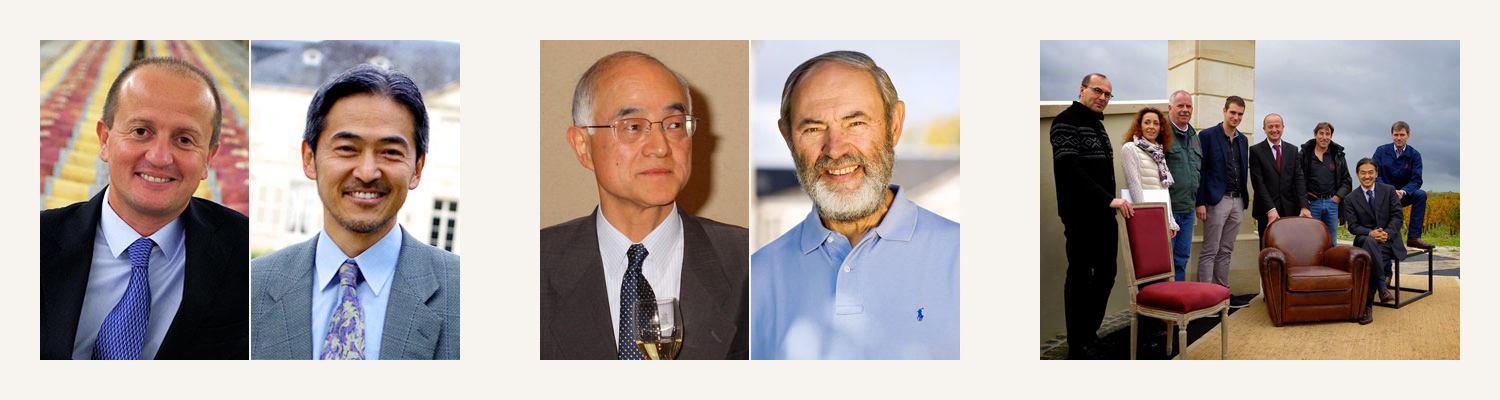
The Japanese group, Suntory, acquired the domain when the purchase was signed by the company president, Mr Keizo Saji, in1983.Marcel Ducasse was then recruited along with Kenji Suzuta to undertake the complete restructuring of the vineyard and a spectacular renovation of the whole estate. This first step was to mark the rebirth of CHATEAU LAGRANGE.After twenty years of dedicated work, as well as human and technical investments, Lagrange had once again found recognition amidst its peers and had achieved a certain sense of fulfilment. Today a new tandem, Matthieu Bordes and Keiichi Shiina, have taken over this quest for excellence. A second phase of investments began with the 2008 vintage, offering Lagrange the technical means to follow its ambitions: The production of refined, elegant and expressive wines, in the best Saint-Julien style. There has also been an evolution of production methods towards a greater awareness of the environment and a reduction of ecological impact on the property. This philosophy is reflected not only in the respect shown for the domain’s History, and the nurturing of its truly exceptional Terroir, but also in the unique experiences shared all over the world around a glass of one of Lagrange’s wines.
VINEYARD
Soils
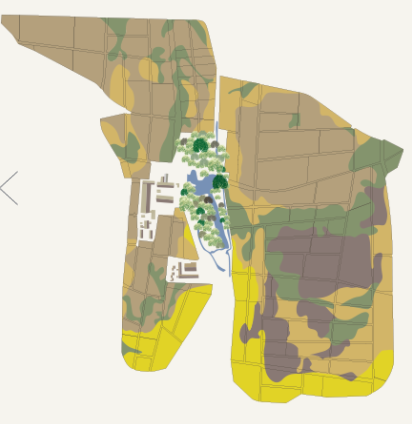
Located entirely within the appellation of Saint-Julien, our vineyard stretches in a single block over two North-South rises of Gunzian gravelly soil. In parts large and coarse and in others finer, this gravel is combined with sand or iron-rich clay depending on the plot. With an altitude of 24 metres, the centre of the domain marks the highest point of Saint-Julien. The estate covers 182 hectares (450 acres), of which 118 hectares (292 acres) are under vine. Most of the plots benefit from a drainage system.
Grape Varieties
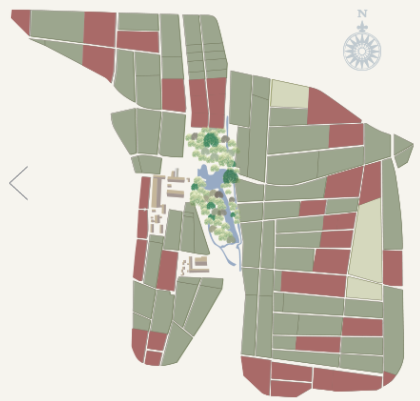
The Medoc is undoubtedly where the Cabernet Sauvignon best expresses its character. When this grape variety is planted in our deep gravelly soils, it constitutes the very backbone of our wines and ensures their ageing potential. The greatest of our vineyard’s terroirs are reserved for this elite grape, which covers 67% of the estate. As for the Merlot, this earlier variety does exceedingly well on our cooler soils, making up 28% of the vineyard. Then for the final touch, the complexity of our wines is heightened by the 5% of Petit Verdot planted on our most prestigious soils. Our white wine vineyard covers 7.5 hectares (19 acres) and is planted with Sauvignon Blanc (60%), Sauvignon Gris (20%) and Semillon (20%).
Vine-care
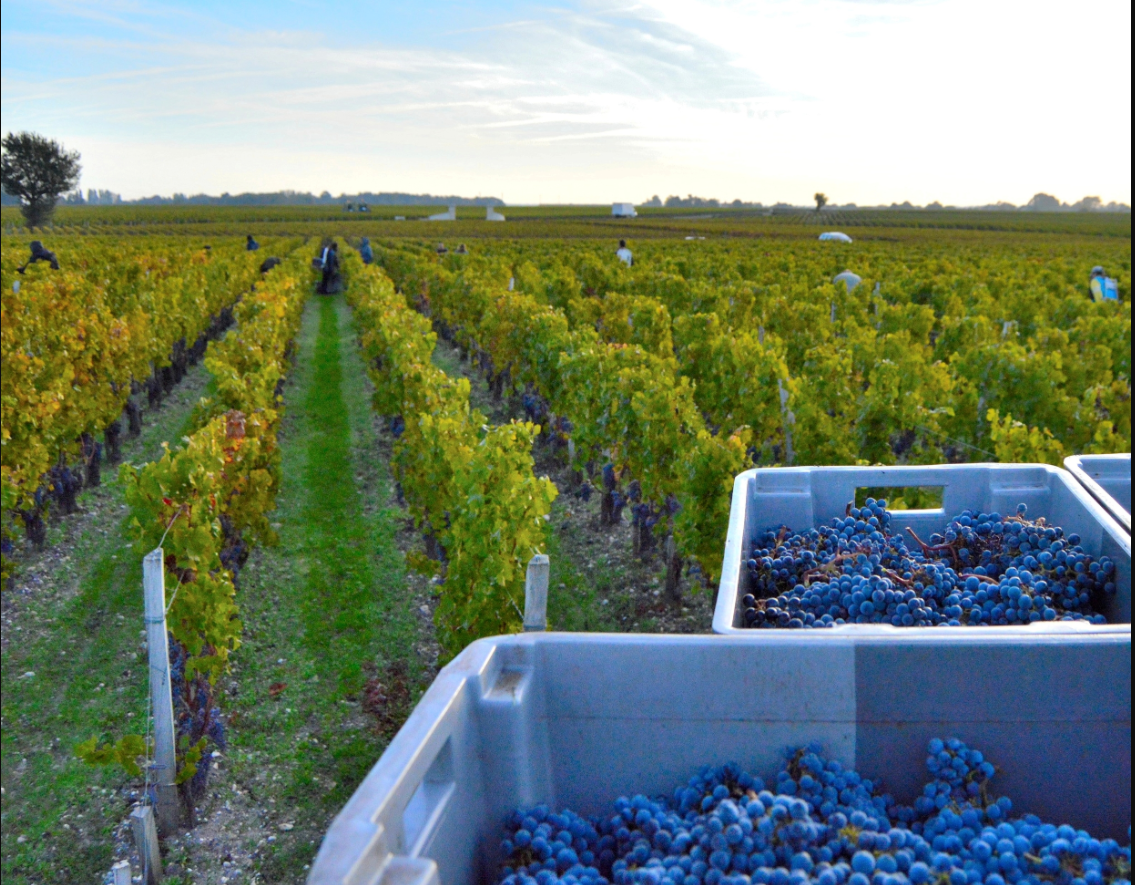
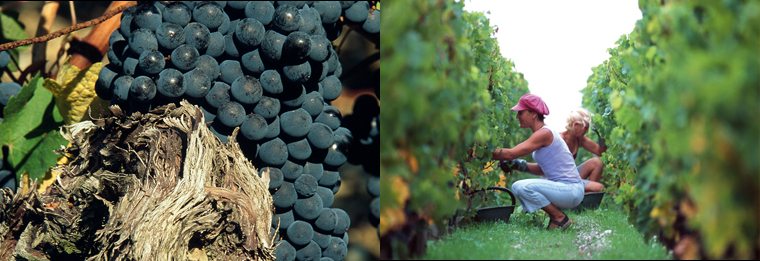
The viticultural methods are chosen to respect Tradition whilst aiming for Perfection. From the choice of the varietals and rootstocks best suited to Lagrange’s soils, to the myriad minutious vine-care tasks carried out through the year, everything concurs to maintain the most regular and eco-friendly production possible. High density of plantation, rigorous pruning, de-leafing, thinning out in July and traditional ploughing all contribute to ensure the grapes produced are rich and concentrated. The traditional hand picking allows us to sort the bunches and ensure that only the best of them arrive whole and healthy at the vat cellar.
VINIFICATION
FROM THE VINEYARD TO THE CELLAR
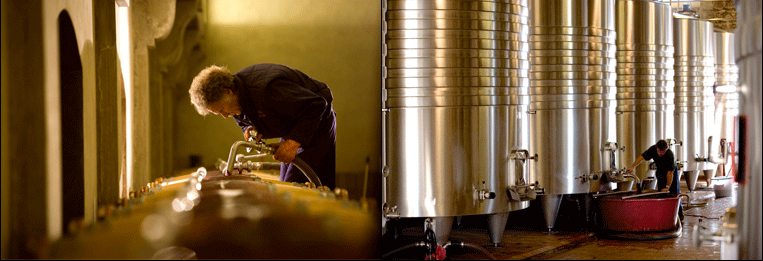
From the vineyard to the cellar A subtle blend of tradition and modernity : these notions come together at harvest-time. The harvest is firstly handpicked into individual crates and then sorted both manually and by an optical sorting machine. Here we see Technology at the service of Excellence. Traditional Bordeaux vinification is carried out in 92 temperature-controlled stainless steel vats of varying capacities, thus allowing a separate vinification to respect the character of each plot and soil-type, each terroir. Placing all or part of a given plot into its own vat means we are able to harvest it at optimum ripeness. This level of precision ensures the perfect quality of fruit necessary for the production of exceptional wines.The total vatting time, established by tasting, varies from 16 to 28 days, depending on the tannic development in the fermenting wines.
The temperature of fermentation never exceeds 28°C to guarantee preservation of the finesse and fruitiness.
The selection of press wine is performed “barrel by barrel“ allowing a wider choice range during the blend tastings.
a
Blending and Ageing
Following consultation with our oenologist, Eric BOISSENOT, the wines are blended only a few months after harvest, to achieve a better harmonisation of the tannins and plot origins. The wines are aged in French oak barrels, of which 60% are renewed each year. They are racked in the age-old way every 3 months. During this essential 20-month maturation period, the cellar is maintained at 15°C and the ambient humidity is carefully controlled so that the qualities of each vintage may be exalted.
Rating
Wine Advocate 95 pts
The 2019 Lagrange has turned out beautifully in bottle, wafting from the glass with aromas of cherries, blackberries and cassis mingled with hints of loamy soil, pencil shavings and bay leaf. Medium to full-bodied, fleshy and enveloping, with an ample core of lively fruit, powdery tannins and succulent acids, it's suave and seamless, concluding with a long, expansive finish. The result of an extremely rigorous selection, and incorporating fully 80% Cabernet Sauvignon, this is the finest wine this château has produced in the modern era. Remarkably, it was released at the same price en primeur as the 2005!
Vinous 95 pts
The 2019 Lagrange has an open-knit, classic Saint-julien nose with blackfruit, chimney soot, tobacco and a light sprinkling of white pepper. There isa little more earthiness here. The palate is understated and fleshy, gentlegrip, more approachable than its peers, pure but without the same gripand backbone on the finish. Very seductive. Tasted blind at the Southwoldannual tasting.
JamesSuckling 94 pts
Aromas of blackcurrants, sandalwood and rose petals. Medium-to full-bodied with linear tannins that are racy and refined, yet forceful. Fine tannins at the end.
$355/Bottle
Free delivery in Hong Kong for orders of 6+ bottles of wine, 3+ bottles of sake/spirits, or orders over $1,200;
Otherwise, $80 delivery fee per order (except remote areas) or free showroom pick-up during office hours.
 a
a


