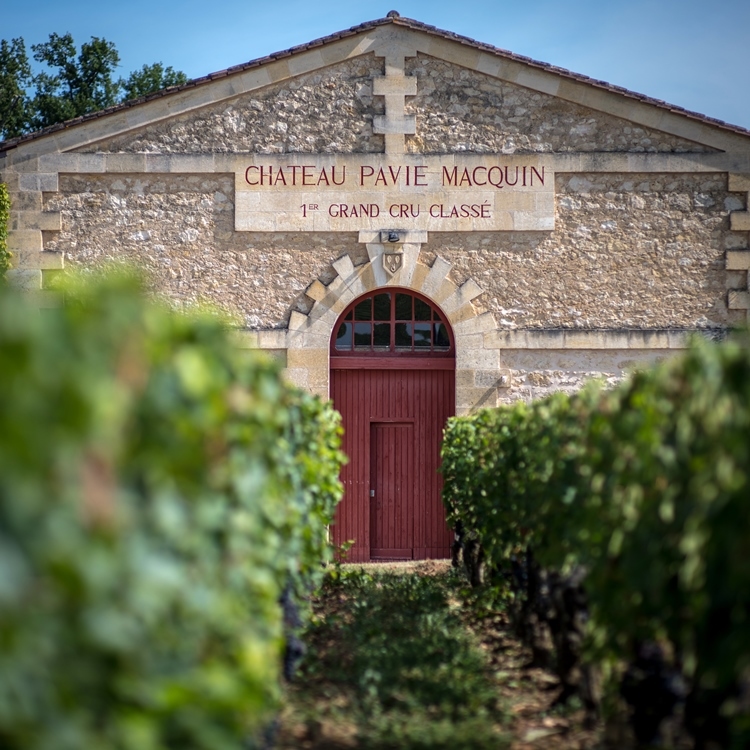
Chateau Pavie Macquin 2014 Saint Emilion Premiers Grand Cru Classe B《Terroir Collection - TF544B 》
Region : Saint Emilion Premiers Grand Cru Classe B, France
Grapes : 85% Merlot, 14% Cabernet Franc, 1% Cabernet Sauvignon
Alcohol : 13% vol
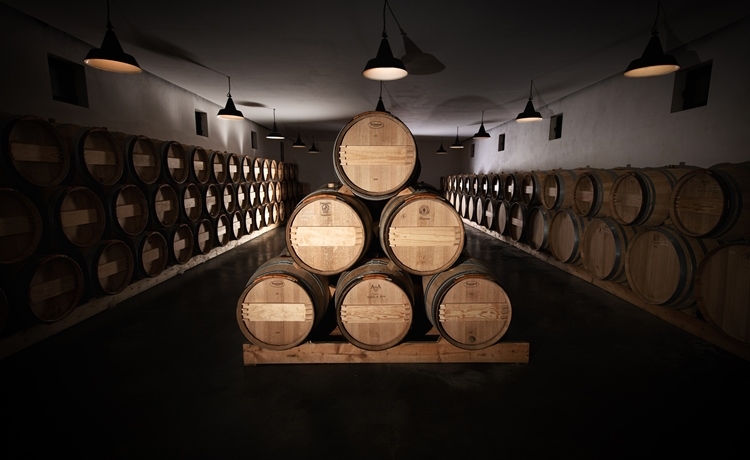
Ageing : 16-20 months ( 60% new barrel , 40% old barrel )
Website : pavie-macquin.com
🌟 Le Pin family - Nicolas Thienpont managed
🌟 One of 14 Premiers Grand Cru Classe
🌟 Wine Consultant Stephane Derenoncourt
🌟 Organic Farming , annual production just 4500 cases
🏅 James Suckling 96 pts
🏅 Vinous 96 pts
🏅Wine Enthusiast 93-95 pts
🏅Wine Spectator 94 pts
🏅Jeb Dunnuck 92+ pts
🏅Wine Advocate 91 pts
🏅Decanter 92 pts

A terroir of character
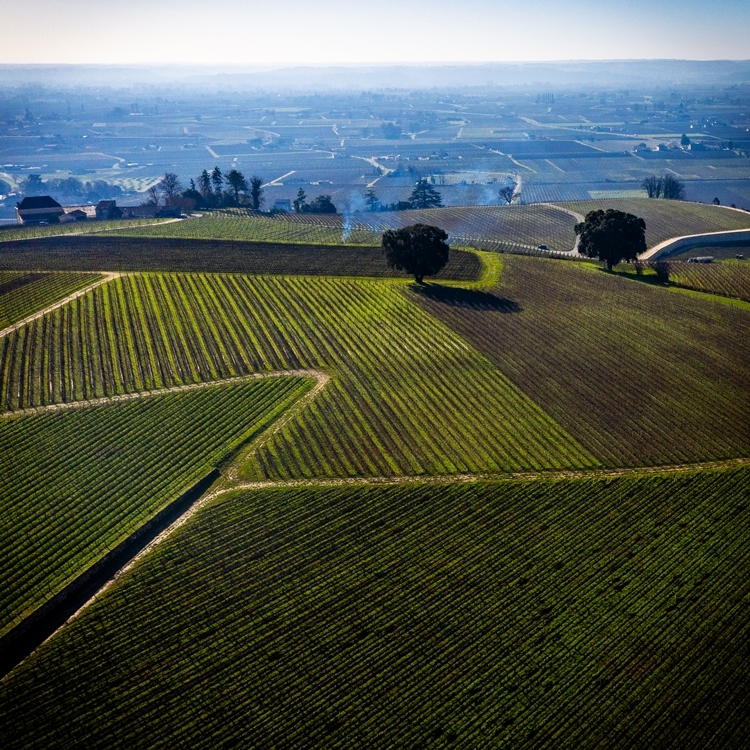
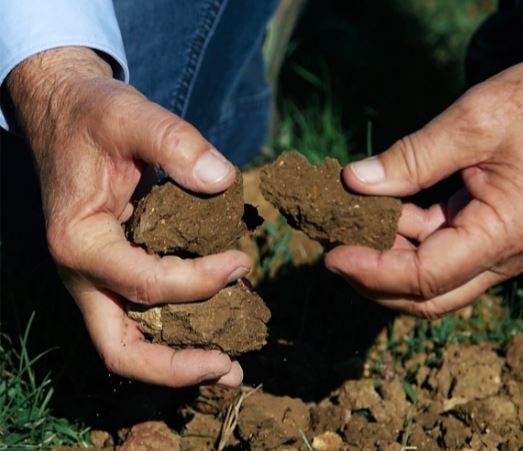
The soils are all limestone-clay and express different aspects of the terroir through the vine, depending on the strength of the clay,and above all on their proximity to the asteriated limestone layer at a depth of between 20cm and 150cm. Pavie Macquin is the combination of power and minerality.The late-ripening character of the Pavie-Macquin terroir is a result of the position of its vineyard on the limestone plateau with strong clay. The significant water-retention capacity of the clay mean that it heats up slowly and budding takes more time, with the location on the plateau reinforcing this phenomenon.The quality of the clay and the limestone slab’s exceptional water regulation counterbalance the “poor character” of this vineyard to create a genuine“ terroir of character” which we like to describe as Cistercian !
Know-how at the service of precision
Everything combines together in a search for balance and excellence: winemaking that respects the life of the soil, an ‘organic’philosophy to maintain the vine without being a slave to it, mastery of yields,a quest for healthy and ripe fruit, vinification of whole grapes, gentle extraction via punching down, long macerations, ageing on fine lees…all things contributing to find balance and distinction.The new plantations are at a higher density. To ensure excellence, the Cabernet Franc comes from an internal massal selection and is planted in the warmest plots with a confirmed limestone character
A pioneer who became famous in Saint-Emilion
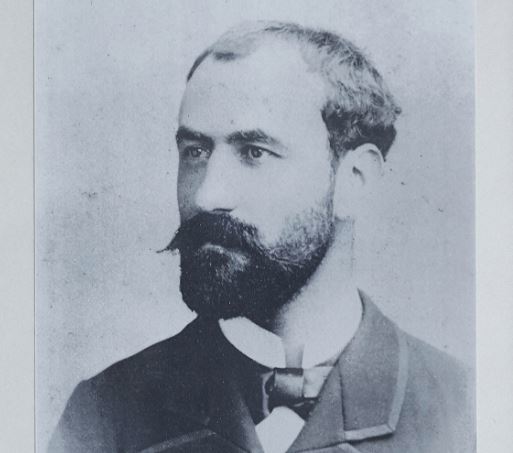
The key moment in the history of the eponymous château Pavie Macquin comes from the famous Albert Macquin (1852-1911).
From 1887 Macquin purchased the châteaux of La Serre, Peygenestou (5 hectares), Pavie-Chapus (3.7hectares), Pavie-Pigasse (5.7 hectares) as well as others, totaling then Château Pavie-Macquin’s approximately 26 hectares.
Albert Macquin, the visionary
An agricultural engineer, he popularized grafted plants which would save the vineyard after it was ravaged by phylloxera. He was truly a “man of reconstruction”. As Henri Enjalbert wrote, “Albert Macquin must be viewed as the grand master of the St Emilion vineyard’s transformation for more than thirty years.” An advocate of Vitis berlandieri, less susceptible to chlorosis, he produced more than a million plants in 1887. He developed scientific vine plot monitoring.
The château is now owned by his grandchildren, as well as their own children, the Corre and Charpentier families. By continuing the tradition of their illustrious ancestry, they demonstrate a deep attachment to this wonderful terroir.
Anunmissable duo
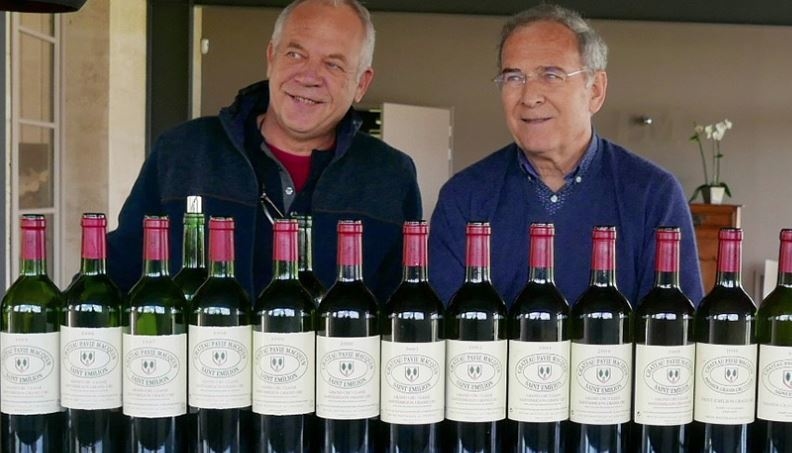
Inlate 1994, Maryse Barre’s successor Nicolas Thienpont was made manager of it,supported in his work by Stéphane Derenoncourt who had been working on site since 1990 ;
Together they refine Pavie Macquin’s personality and have developed high-quality viticulture which has elevated the château to the prestigious rank of Premier Grand Cru Classé wine in 2006, and once again in 2012.
Worldwide consultancy- Stephane Derenoncourt
He became a consultant in 1997 and has owned his estate, Domaine de l’A in the Côtes de Castillon, since 1999. One of his most famous creations is La Mondotte, revolutionary at the time as one of the first garagiste wines.In 1998 he was sorting out Inglenook/Rubicon in Napa Valley for Francis Ford Coppola (I wine I admire) and launched his Californian winesin 2009. In Italy, he’s in the Bolgheri with L’Argentiera and Campo Alla Sughera, and in the Veneto with Inama. Phew! Now Derenoncourt consults for 90 wineries worldwide, with his wife Christine and a team of assistants. In addition to various Bordeaux Châteaux,there are projects in other areas of France, the USA and Italy. There are moreventures in Austria, Greece, Spain, Portugal, Lebanon, Syria, Turkey, Georgia,Mexico and even in the UK with Coates and Seely.
BACK
The wine, expressing the secrets of the soil
This terroir of strong clayon limestone bedrock produces a powerful, fleshy wine with minerality,freshness and generosity.The Pavie Macquin grapetypes, predominately Merlot, have found their perfect home in strong clay soils. The molasses soils combined with asteriated limestone give the wines power and tension, as well as a deep meatiness.The ancient colluvial soils containing silt add a touch of lightness whilstretaining the mineral tension from the limestone.The Cabernet Franc is inits rightful place in limestone soils, with bare rock, which warm up quicker,allowing the grape variety to develop all its excellence and give the blend its‘backbone’ and complexity.The wine is topped off with 2% old-vine Cabernet Sauvignon.
🏅 James Suckling 96 pts
The purity and clarity to the nose of this wine are really exceptional with crushed berries, cherries and currants. Fruit and density are so impressive, yet this is so linear on the center palate, which gives it direction and focus. Fabulous.
🏅 Vinous 96 pts
The 2014 Pavie-Macquin is superb. Deep, powerful and creamy, the 2014 possesses tremendous richness from start to finish. Today, the 2014 appears to be going through a period of transition, as the aromatics are not especially open, but a few more years in bottle should do the trick. I have always admired the 2014's balance, as I do once again today. The 2014 is a real dark horse and one of the real gems in this vertical.
🏅Wine Enthusiast 93-95 pts
The tannins cut firmly into the fruit of this impressive wine. They give a dense, dry edge to the ripe berries and fresh acidity. The effect is a juicy wine that has a tough edge. This will take time to develop.
🏅Wine Spectator 94 pts
The plum, boysenberry and raspberry fruit is very aromatic, carrying a glossy sheen as this glides along, picking up subtle anise, alder and tobacco notes slowly but steadily through the finish. A graphite edge is buried deep. This should age gracefully thanks to the purity and balance. Best from 2022 through 2032.
🏅Jeb Dunnuck 92+ pts
Coming from two parcels planted on the upper plateau, with a terroir like Troplong-Mondot, the 2014 Château Pavie Macquin is more backward than the 2015 (which is expected) and offers a masculine, firm, edgy style as well as lots of black cherry and currant fruits intermixed with smoked herbs, scorched earth and lots of minerality. This medium to full-bodied 2014 has good concentration, high, integrated acidity, and an age-worthy, classic style that needs 5-6 years of bottle age. It should have three decades of overall longevity.
🏅Wine Advocate 91 pts
The 2014 Pavie-Macquin has a concentrated bouquet with layers of blackberry and raspberry coulis, infused with potpourri and incense. There is something almost forbidding about the aromatics at the moment. The palate is medium-bodied with supple ripe red berry fruit, a fine line of acidity, although it feels a little soft on the finish when I needed more precision and backbone. Let's see how this ages in bottle, because I suspect that it will gain more density and structure with 2-3 years of bottle age.
🏅Decanter 92 pts
Restrained and undemonstrative but less power and more refinement this year. Fresh and minerally with a clean persistent finish.