Region : Pauillac
Grapes:68% Cabernet Sauvignon, 32% Merlot
Alcohol:13.5%
Website : https://www.chateau-mouton-rothschild.com/
🌟1855 grand cru classes 1st growth second label
🌟50% new oak seamlessly integrated over 18 months
🏅James Suckling 97 pts
🏅Jeb Dunnuck 95 pts
🏅Vinous 94 pts
🏅Decanter 94 pts (Barrel Sample)
🏅Wine Enthusiast 92-94 pts (Barrel Sample)
🏅Wine Advocate 92 pts
🏅Vivino 4.5

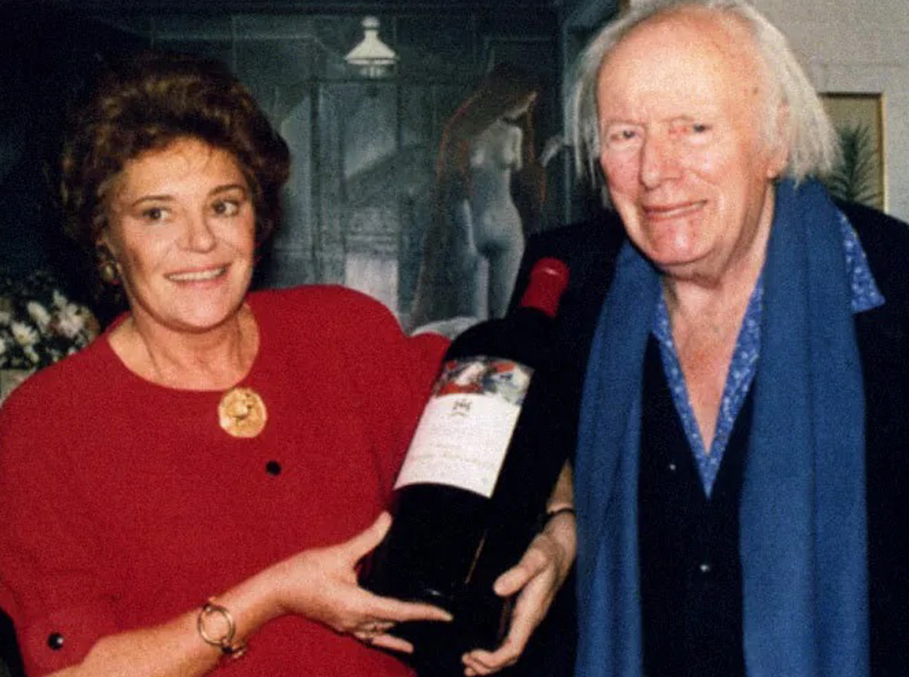
The property in the 18th century, along with Lafite and Latour, of the "prince of vines”, the MarquisNicolas-Alexandre de Segur, then the Barons de Brane, Chateau Mouton Rothschild took its present nameafter it was acquired by Baron Nathaniel de Rothschild, from the English branch of the famous dynasty, in1853. For many years, despite the increasingly acknowledged quality of its wine. Mouton aroused littleinterest among its owners, unwilling to make the journey to a then-neglected region. So it was a red-letterday when, in 1922, Baron Nathaniel's great grandson Baron Philippe de Rothschild, barely 20 years old.took in hand the destiny of an estate to which he would devote his entire life.
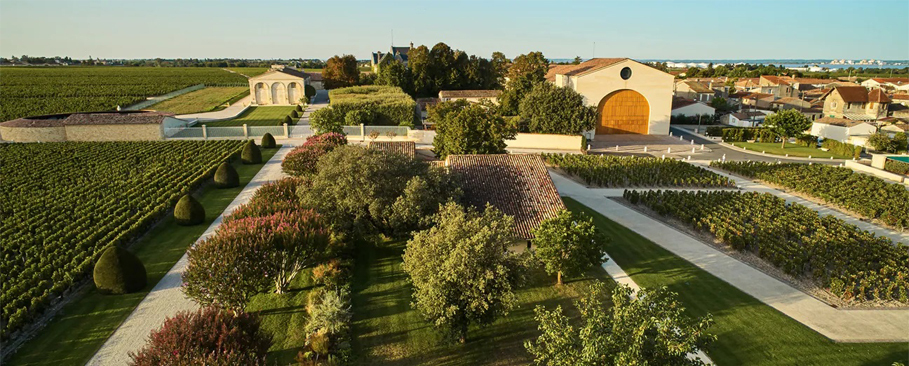
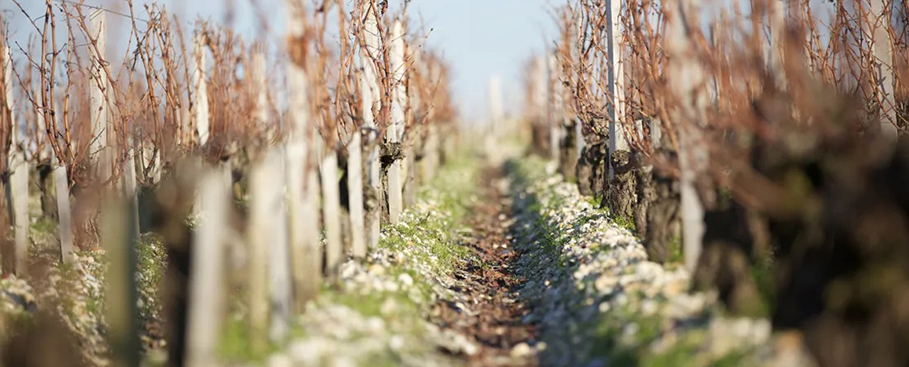
Chateau Mouton Rothschild spans go hectares (222 acres) of vines to the north-west of Bordeaux, on theedge of the Medoc peninsula, itself situated, as its name indicates, in medio aquae, amid the waters: thoseof the Gironde estuary to the east and of the Atlantic Ocean to the west. The Medoc vinevard, which datesback to Roman times, now covers around 16,500 hectares (41,000 acres). The vines are planted on anarrow strip ofland 8o km long and 5 to 10 km wide. close to the river, which irrigates the soil in depth andmoderates differences in temperature. Bordering the northern limit of the Landes forest, the Medocbenefits from the mildness of the ocean climate while also being protected from its excesses.
The Chateau Mouton Rothschild vineyard, mostly situated on a hillock called the “Plateau de Mouton"which rises to 27m above sea-level, is planted on very deep gravelly soil with the varieties typical of theregion: Cabernet Sauvignon (81%), Merlot (15%), Cabernet Franc(3%) and Petit Verdot (1%).Theseproportions are not reflected identically in the wine. because the blend varies according to the character ofeach vintage. However, Cabernet Sauvignon always predominates: it is Cabernet Sauvignon that givesMouton its rich tannins, its wealth of aroma and flavour and its ageing capacity, while Merlot, aninseparable companion, brings suppleness, roundness and exceptional length, As with other top Medocwvines, the vinevard is densely planted -- 10,000 vines per hectare - and the average age of the vines isaround 44 years.
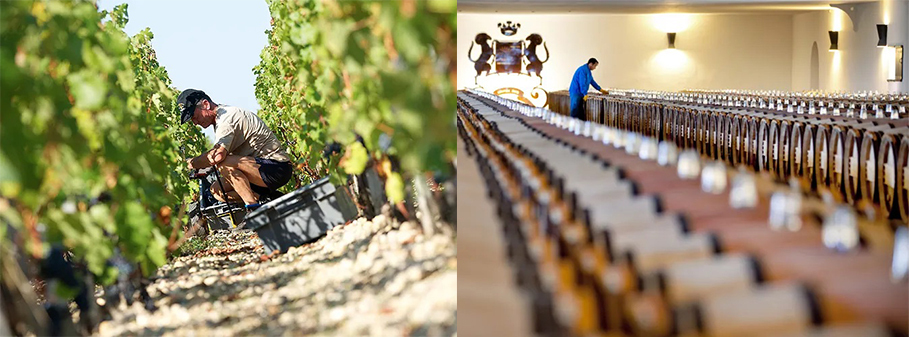
Everything at Mouton, from the tending of the vines to the bottling of the wines, is done by the bestspecialists, from the vinegrower who ploughs, prunes, treats, trims and thins and the vineyard managerwho monitors the grapes as they ripen to the cellar-master who oversees the vinification and the technicamanager who is responsible for the entire process and decides the blend. In many cases, the men andwomen who make Mouton follow each other from generation to generation, passing on ancestral know-howand skills enhanced over the years by the advantages of the most up-to-date technology. Different from onevintage to another but always the same - witness its legendary blackcurrant flavour - and always at thepinnacle. the Chateau fully deserves its motto: “I, Mouton, do not change”.
The ambition of making Mouton a place of art and beauty can be seen everywhere. Outside. in theharmonious arrangement of buildings and open space, in the subtle play of perspectives, in the zen-rakedpathwavs, in the peaceful symmetry of the two end-walls that frame the chateau, in the contrast betweenthe vertical lines of Petit Mouton, a modest, ivy-covered, mansard-roofed Victorian residence built in 1885and the horizontal lines of Grand Mouton, constantly enhanced and redesigned since the 1060s.
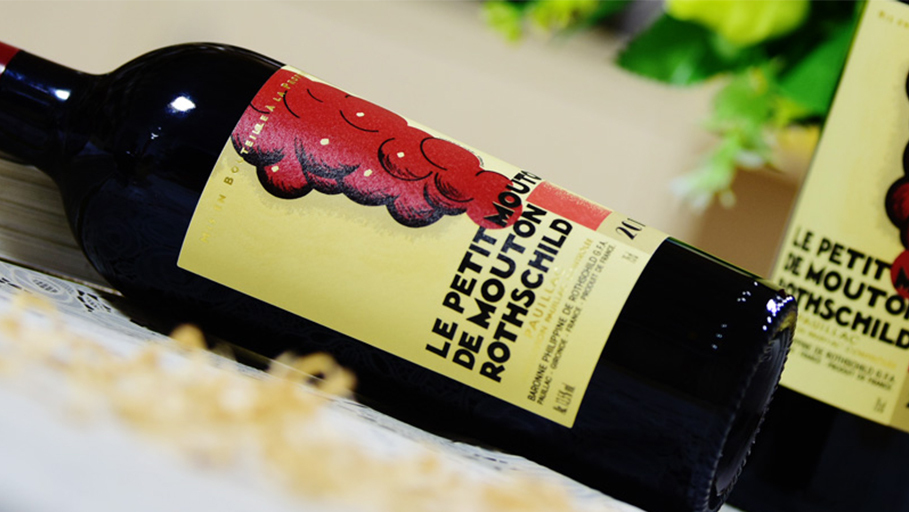
Produced from an exceptional terroir, Le Petit Mouton de Mouton Rothschild is the second wine of ChateauMouton Rothschild.
Made with grapes from selected younger vines in the illustrious First Growth vineyard, it is harvested.vinified and bottled with the same scrupulous attention to detail. Harvested in small, open baskets,ermented in the Mouton oak vats, matured in oak barrels in the traditional wav, all the conditions are metfor the wine to express the elegance and richness of a great Pauillac.
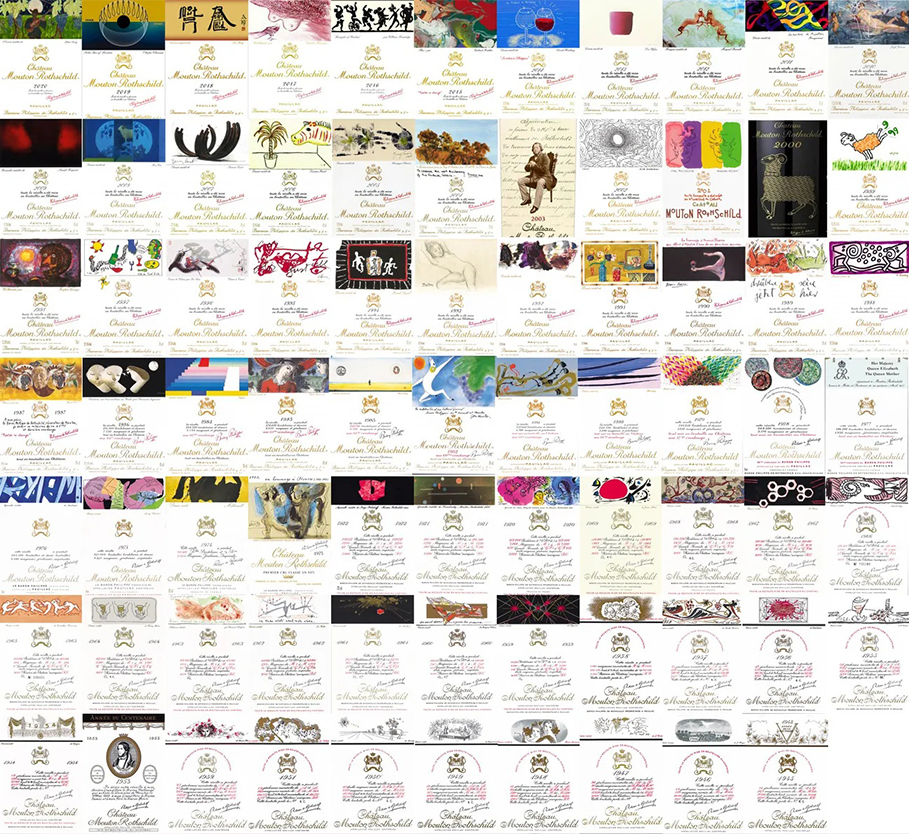
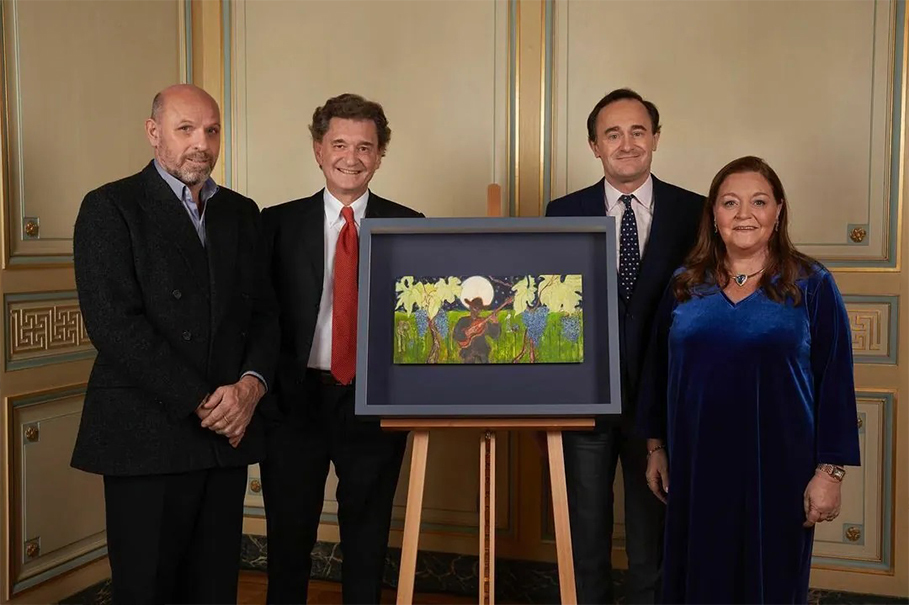
In order to link the second wine more closely with its famous elder, illustrated by great artists since 1945.Baroness Philippine de Rothschild has chosen a label for Le Petit Mouton de Mouton Rothschild inspiredby a drawing by the famous poster artist Jean Carlu.
A variation on the theme of the vine, the powerfully coloured drawing combines sensual shape with theclean geometries of the Art Deco style. It was made in 1927, following the artist's design in the same periodfor the label for Chateau Mouton Rothschild 1g24.
The first vintage, 1993, was called Le Second Vin de Mouton Rothschild, but it has borne its definitive namewhich has a family connotation, Petit Mouton being the name of Baroness Philippine's residence in theheart of the estate) since the following year, 1994.
James Suckling 97 pts
A luscious red with redcurrant, chocolate, plum and hazelnut. Rather opulent on the nose. Full-bodied and very structured with chewy tannins that are intense and powerful.
Jeb Dunnuck 95 pts
It reveals a dense ruby/purple hue to go with textbook Pauillac notes of cedar pencil, smoke tobacco, spice box, blackcurrants, and graphite. Deep, rich, medium to full-bodied, and beautifully balanced, it's probably better than many vintages of the Grand Vin. I absolutely love its purity of fruit, balance, and structure. Just don't tell yourself it's a second wine and you'll think you're drinking the Grand Vin.
Vinous 94 pts
The 2019 Le Petit Mouton clearly retains its bold bouquet of bravura scents of blackberry, blood orange, and touchesof cassis and violet petals, the 50% new oak seamlessly integrated over 18 months. The palate is silky-smooth on theentry, deep and displaying fine grip. This is definitely one of the most seductive Le Petit Mouton releases in recentyears. t tightens a little toward the graphite-tinged finish, so afford it more time in bottle than I originally predictedSuperb. By Neal Martin
Decanter 94 pts (Barrel Sample)
A very moreish Petit Mouton with plump fruit and clear coffee and mocha beans - a signature of this wine and people who love its unashamed glamour will adore this vintage. It has welcome astringent tannins on the finish and overall this is delicious.
Wine Enthusiast 92-94 pts (Barrel Sample)
While soft and rich in feel, it offers concentrated flavors of juicy blackberry. The tannins, initially soft, show a core of dryness that balances the acidity.
Wine Advocate 92 pts
The 2019 Le Petit Mouton is notably serious this year, offering up a rich bouquet of minty berries, cherries, licorice and toasty new oak. Medium to full-bodied, deep and concentrated, with a generous core of fruit, youthfully chewy tannins and a long, sapid finish, it will reward a bit of bottle age.
Wine Spectator 91 pts
Delivers a juicy core of lightly steeped black currant plum fruit that has a delightfully succulent edge, while hints of dark tobacco, warm earth and iron gently underline the perfumed finish.
Jancis Robinson 17.5/20 pts
Another second wine loaded with charm. Expressive cassis nose with plenty of lift and freshness. Super touch of tannin, the texture smooth and silky. Good definition as well with plenty of length on the finish.
Free delivery in Hong Kong for orders of 6+ bottles of wine, 3+ bottles of sake/spirits, or orders over $1,200;
Otherwise, $80 delivery fee per order (except remote areas) or free showroom pick-up during office hours.