{{ 'fb_in_app_browser_popup.desc' | translate }} {{ 'fb_in_app_browser_popup.copy_link' | translate }}

{{ 'in_app_browser_popup.desc' | translate }}

🚚Free delivery upon 6 bottles|Terroir Collection - 3 bottles free delivery

🍷酒款、優惠經常更新,請時刻追蹤我地😊|🤵👰Wine Couple 你的最佳婚宴酒酒商

                                            Saint Veran


The SAINT-VÉRAN AOC, which was granted in 1971, lies in the South of the Mâconnais region, forming a belt around the appellation POUILLY-FUISSÉ.
As it is often the case in Bourgogne, the AOC embraces a number of villages from Prissé and Davayé lying to the North of the Rock of Solutré to Leynes, Chasselas, Chânes, part of Solutré-Pouilly and (of course) Saint-Vérand itself all lying to the south. The soils, ideally suited to the Chardonnay, produce only white wines.


Wine Characteristics

The colour is that of very pale yellow gold, brilliant and crystal-clear. The nose develops subtle fruit aromas (peach, pear) or acacia, honeysuckle and bracken, often over notes of fresh almond, hazelnut, cinnamon, butter, and sometimes honey. Exotic fruits are sometimes present, as are citrus notes (orange peel). On the palate, this white wine is dry and well-rounded, mineral (gun-flint) and lively from the first attack. Acidity and fatness come increasingly into play. The structure is harmonious, fresh and round.

Terroirs

The appellation SAINT-VÉRAN is split into two separate islands by its close relative Pouilly-Fuissé. Both occupy slopes forming part of the chain of hills to which the Rock of Solutré belongs. This rocky backbone is made of fossiliferous limestone of the Middle Jurassic. On the Western side are older (lias) rocks covered with grey marls on which the vineyards of Chasselas and Leynes occupy South and West-facing sites. The gentle Eastern slopes are composed of marly limestones on which are found the East-facing vineyards of Prissé and Davayé. At Chânes and Prissé, on the left bank of the little river Grosne, the vines grow on fossiliferous limestones, often overlain by a layer of clay-with-flints with “chailles”.

當中有幾個十分受歡迎的燒酎分類, 包括清幽淡雅的「米燒酎」, 與世界各地威士忌影子的「麥燒酎」, 注目度最高濃郁而甘甜的的「芋燒酎」還有由清酒酒粕所釀成的「酒粕燒酎」!


常見燒酎種類


「米燒酎」

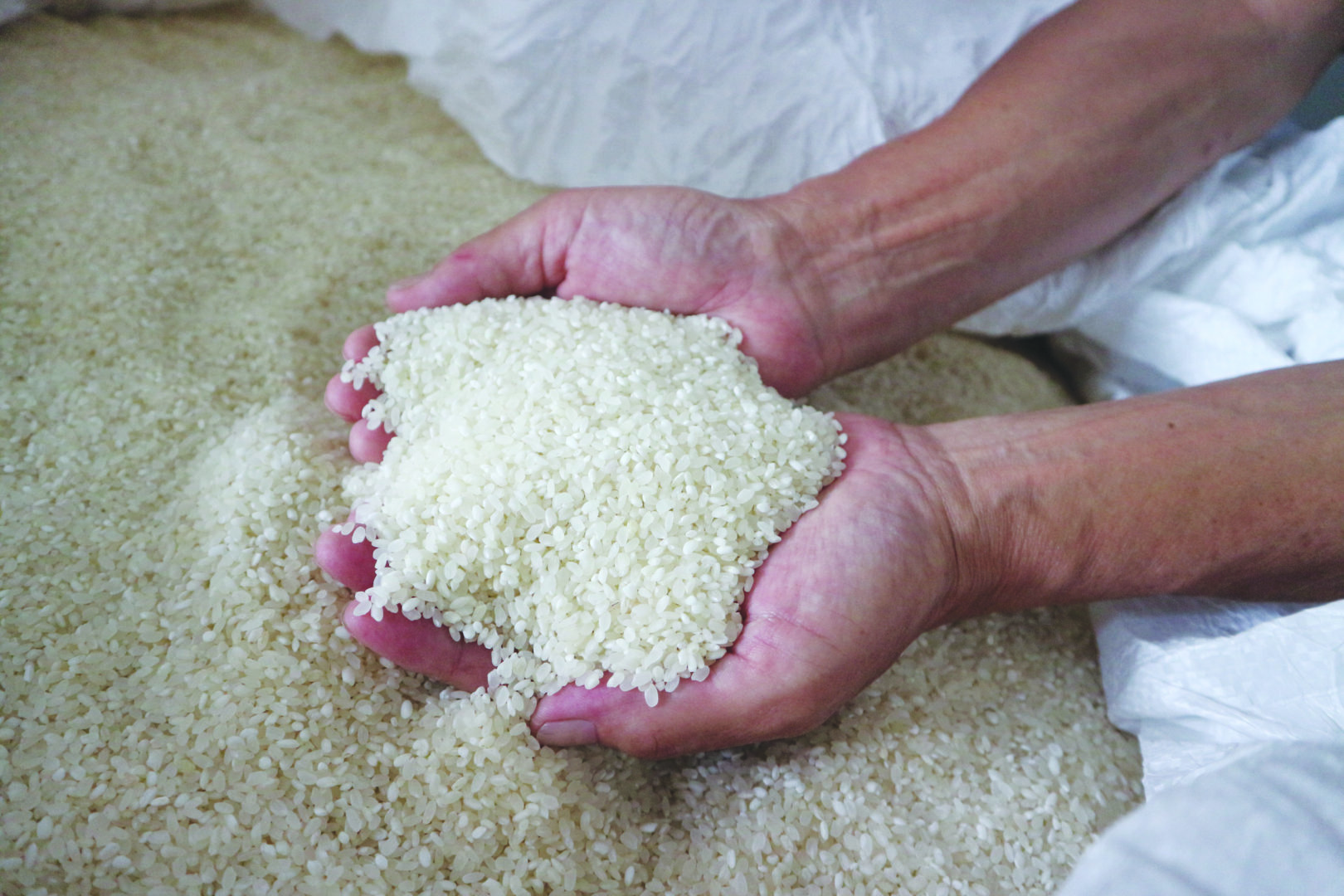
以「米」為基的燒酎特色多是清香幽雅,酒體較輕,而味道清淨。除了熊本之外,福岡、大分、宮崎、長崎等地都有「米燒酎」。


「麥燒酎」

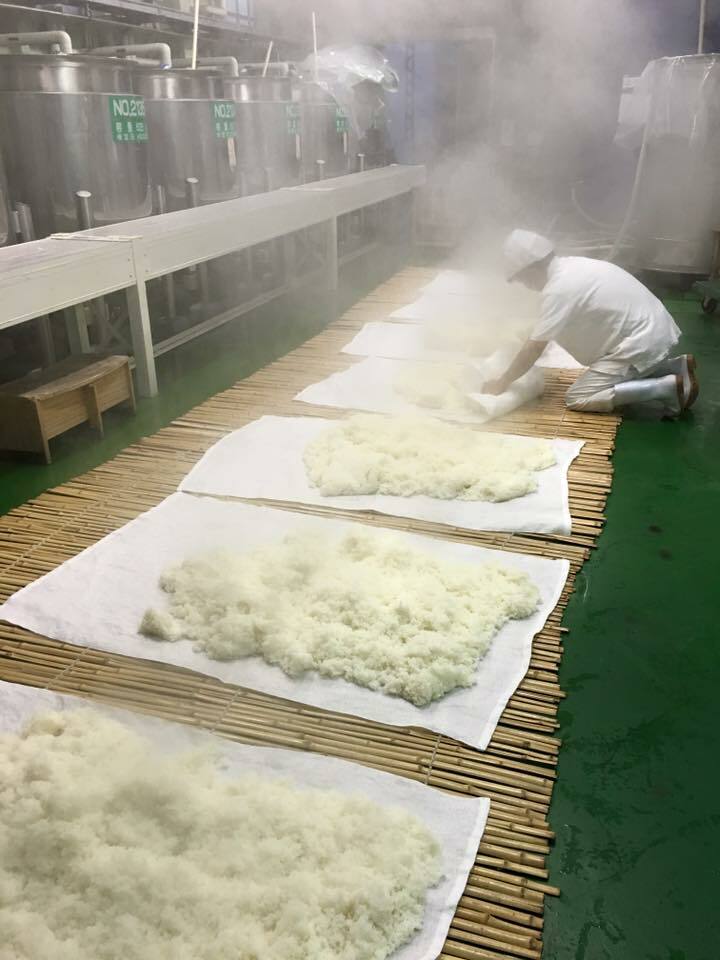
以「麥」為基的燒酎之中,感覺與「威士忌」十分接近, 但它們的糖化工序並非如威士忌般的麥芽糖化,有些酒藏會用上蒸白米與麴菌製成的米麴,再而混合到大麥之中,令其糖化發酵,然後再蒸餾。經過蒸餾之後的「麥燒酎」並不一定要經過陳年熟成的過程,因此有些是透明晶瑩的樣子。

「麥燒酎」原料香味濃,特別是烤過的大麥總是有令人回味的麥香與巧克力的味道;不過後段辛烈感比較強。


「芋燒酎」

「芋」(即是蕃薯)來糖化釀酒,但因「芋」件頭大,發酵較難,一般都會先以米麴糖化來做第一步,之後再加入「芋」釀造,再蒸餾。芸芸「芋」種之中,就以淡黃色的「黃金千貫」最為常見,因為它的「芋」種能令燒酎產出濃郁而甘甜的效果。而且入口的綿滑感覺與回甜也是最容易令人接受的。


「酒粕燒酎」

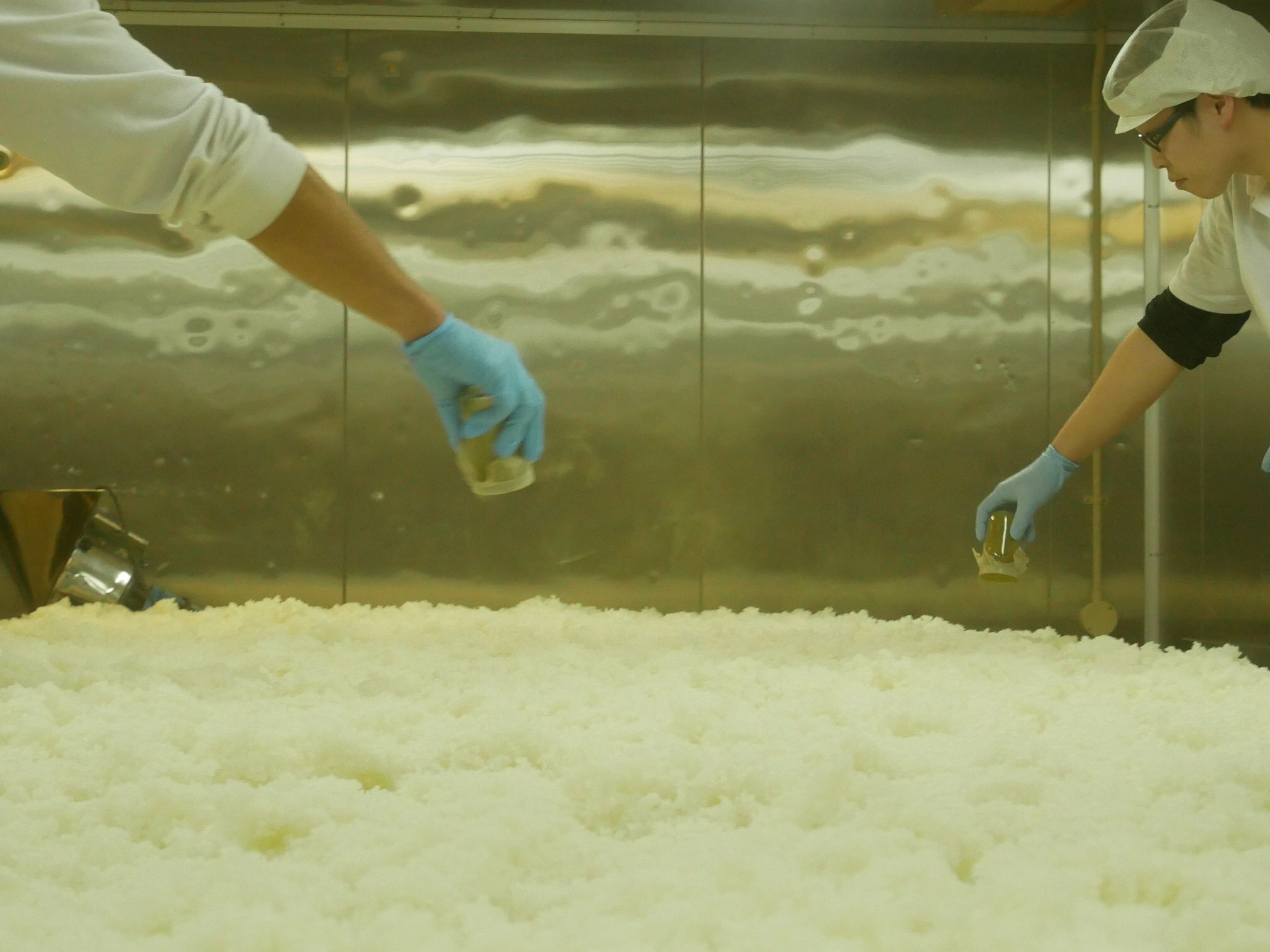
酒粕即是日本清酒釀造之後,把酒液壓搾而剩下來的酒渣,但當中也含有少量的酒精,亦有不少的米渣與酵母。然後從中加水再發酵,又或者加水將酒粕攪碎發酵,然後再蒸餾出來。「酒粕燒酎」與「米燒酎」不同,一般存在不少吟釀風格的芬芳果香,但入口卻是不甜不膩的。


當中千福 夢のつゆ便是酒粕燒酎的一種

當中千福 夢のつゆ便是酒粕燒酎的一種;酒粕是日本清酒釀造之後,把酒液壓搾而剩下來的酒渣,但當中也含有少量的酒精,亦有不少的米渣與酵母。然後從中加水再發酵,又或者加水將酒粕攪碎發酵,然後再蒸餾出來。「酒粕燒酎」與「米燒酎」又有所不同,市面上有不少吟釀風格的芬芳果香,但入口卻是不甜不膩的。


而燒酎不僅可以直接喝,還可以加冰塊,加水或熱水,更可造成燒酎Highball來喝。最重要的便是濃度可以自由調節,只要與檸檬、青檸等搭配得當,更可以做成一流且極具個性的燒酎雞尾酒。