Description
Chateau Suduiraut 2007 Sauternes《Terroir Collection - TF1018A》
Region : Sauternes
Grapes : 90% Semillon 、10% Sauvignon Blanc
Alcohol : 14%
Website: www.suduiraut.com
🌟 1855 Classification of Sauternes and Barsac first growth, one of the most famed
🏅 Wine Enthusiast 97 pts
🏅 Wine Spectator 95 pts
🏅 Wine Advocate 94 pts
🏅 Vinous 94 pts
🏅 Jancis Robinson 17/20 pts

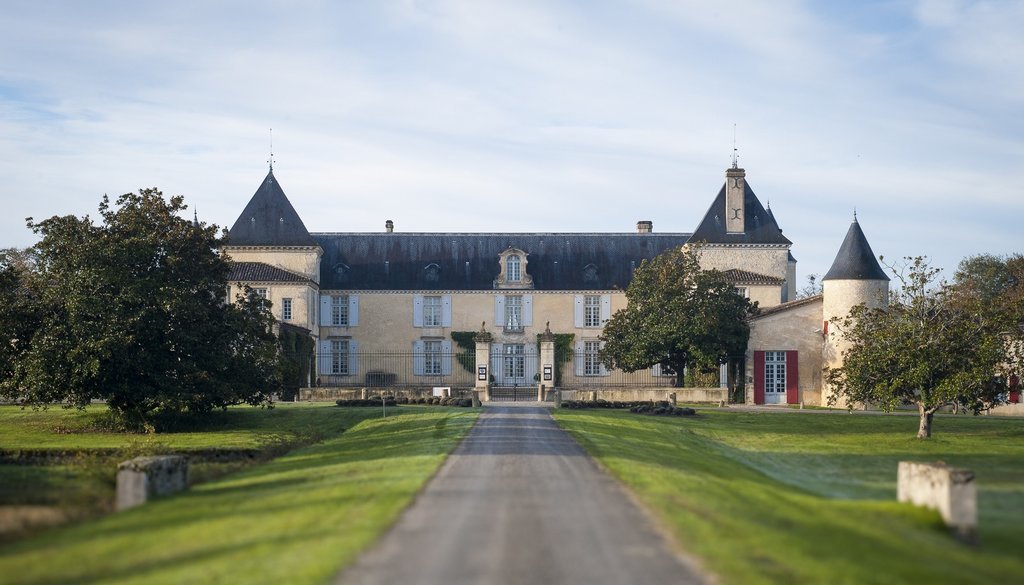
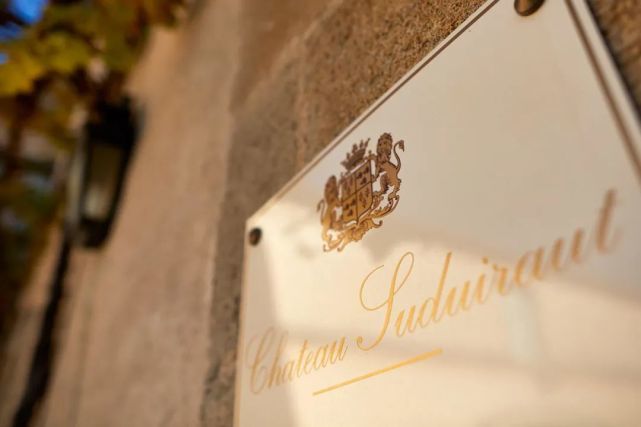
The estate took the name of Suduiraut in 1580 onthe marriage of Nicole d'Allard to Léonard de Suduiraut. The château wasplundered and burned down during the Fronde insurrection, then rebuilt in theXVII century. It was re-named Cru du Roy in the late 18th century on beingtaken over by a nephew of the Suduiraut family, Jean Joseph Duroy, Baron of Noaillan.The family home then acquired a cartouche featuring the Suduiraut and Duroycoats of arms, which was to give rise to the escutcheon used by ChâteauSuduiraut today. The property was planted with magnificent formal gardens,designed by Le Nôtre, King Louis XIV's renowned gardener.
On 18 April 1855 the estate was classed as aPremier Cru during the official wine classification programme in the Girondewinegrowing area.
AXA Millésimes acquired Château Suduiraut in 1992with the aim of preserving and perpetuating the estate's remarkable traditionof vineyard management and winemaking. Inspired by the great Suduiraut wines ofthe past, the new management has enabled this great vineyard to fulfil its fullpotential in recent years.
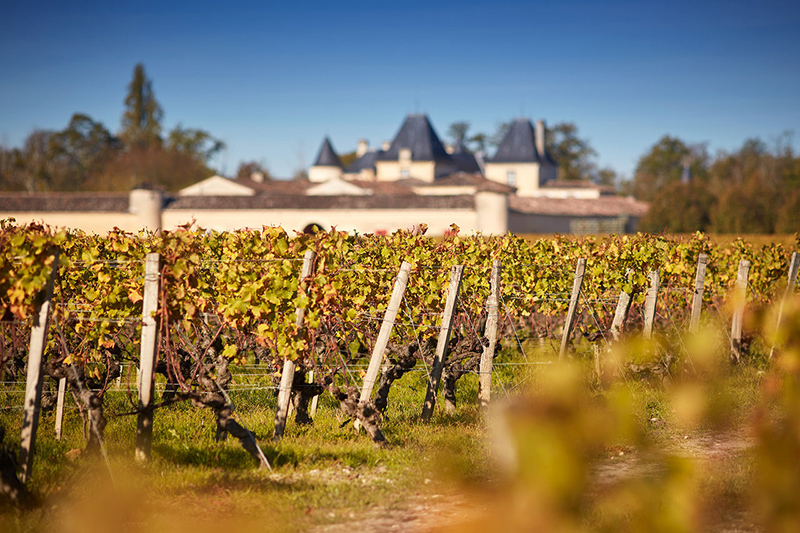
Certified High Environmental Value (HEV), theestate comprises 91 hectares of vines, on gravelly, sandy clay soil. The stonescapture the sun's heat, thereby helping the grapes to reach maturity morerapidly. It is this unique terroir that gives the wine itsoutstanding opulence.
This thin soil which retains very little waterleads to low yields. It concentrates the grapes' qualities and forces thevine to draw its nourishment from deep in the earth. The wine's relationshipwith the terroir is even stronger because of this, and it expressesitself with strongly-marked minerality.
High vine density (7,000 vines per hectare) and thehigh average age of vines (35 years) are important factors in the quality ofthe wines, along with environmentally responsible winegrowing methods, shortpruning and tillage. Meticulous selection of the best botrytised bunches duringharvest means that our Grand Vin Château Suduiraut is made only from the verybest that the vineyard has to offer.
The proportion of each grape variety useddetermines the wines' unique profile. 90% of the Suduiraut vineyard isplanted with Sémillon vines and 10% with Sauvignon Blanc.
Semillon is a traditional variety of the region.When it is infected with noble rot it has an ample structure on the palate andgives the wine great mellowness and unctuosity. Wines produced with Semillongrapes are remarkably aromatic: they evoke honeyed fragrances, grilled driedfruits, acacia blossom and candied citrus.
Sauvignon Blanc has very characteristic aromas suchas citrus, white peach, exotic fruits... When vinified as a liquoreux, ordessert wine, it adds a touch of acidity to the blend, bringing freshness andaromatic complexity.
The rich resources of the Château Suduiraut terroirare due notably to its geographic proximity to the Ciron and Garonne rivers.They both provide ideal conditions for the development of the noble rotBotrytis Cinerea: cool nights and morning autumn mists followed by fine sunnyweather during the day.
The fungus is already present in the vineyardimmediately after flowering and appears on the grapes as soon as they start toripen. Its arrival is unpredictable, which has a significant effect on yield,making each harvest even more exceptional.
If the weather is too damp the fungus develops asgrey rot and makes the harvested grapes unusable. Any such clusters are cut offand disposed of.
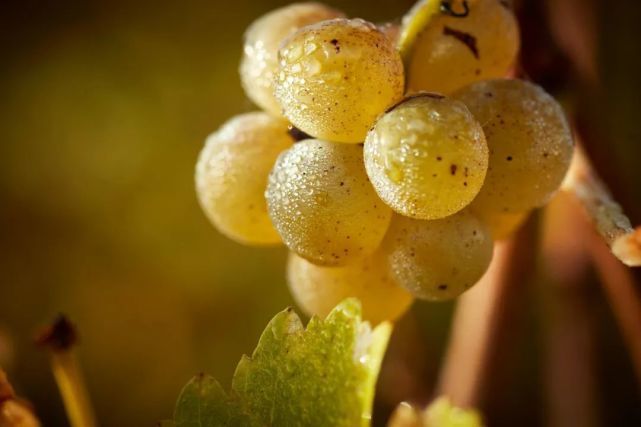
Under optimal conditions, the fungus develops asnoble rot. It modifies the skin of each grape, making it porous. Evaporation ofwater is thus possible, favouring the concentration of sugar. Botrytis Cinereacauses a reaction in the grape, resulting in an abundance of aromas that givesthe wine its grandeur and complexity.
The grape becomes raisined and its flesh highlyconcentrated in sugar and aromas of candied fruit that are characteristic ofSauternes wines.
The development of Botrytis Cinerea is veryunpredictable and does not affect all vines at the same time. This requires usto pick the grapes carefully, exclusively by hand, selecting only part of thebunch as the over-ripening develops. Harvesting is staggered, with up to fivepickings between the end of September and mid-November.
🏅 Wine Enthusiast 97 pts
Powered by dry botrytis, this is a wine with immense potential. It has weight, complexity and richness, all under the cloak of botrytis. To leaven the power, there is acidity, but this is certainly for aging. Cellar Selection
🏅 Wine Spectator 95 pts
Dried lemon and floral aromas lead to loads of botrytis spice and bitter lemon peel in this young, full-bodied sweetie, with hints of lively lime and honey. Medium sweet. Very intense. Collectible
🏅 Wine Advocate 94 pts
The 2007 Suduiraut is a Sauternes that is just beginning to "motor" as it approaches its tenth birthday. The bouquet is much more open than when I last tasted this wine in 2011, with upfront honey, lemon rind and apricot blossom aromas that pack a punch. The palate is powerful and intense, layers of honeyed fruit, crisp acidity and the Sauvignon Blanc component now giving way more to Sémillon. This is a Sauternes of width and girth and as such it deserves another decade in bottle. Just superb.
$488/bottle
You could enjoy free delivery upon purchasing 3 bottles from "Terroir Collection"
Or you can mix your favorite wines (with other non Terroir Collection), Free delivery upon purchase total 6 bottles or above